Overview
This 14‑day, 13‑night safari adventure takes you through Amboseli, Tsavo East, Tsavo West, Taita Hills, Arabuko Sokoke, Mida Creek, Sabaki River Mouth, Kibwezi Forest, Chyulu Hills, and Nairobi for exceptional birding and wildlife game viewing. Beginning and ending in Nairobi, the journey is conducted in a 4×4 Landcruiser Jeep with an open roof‑top, offering comfort and outstanding visibility throughout the game drives.
Trip Highlights
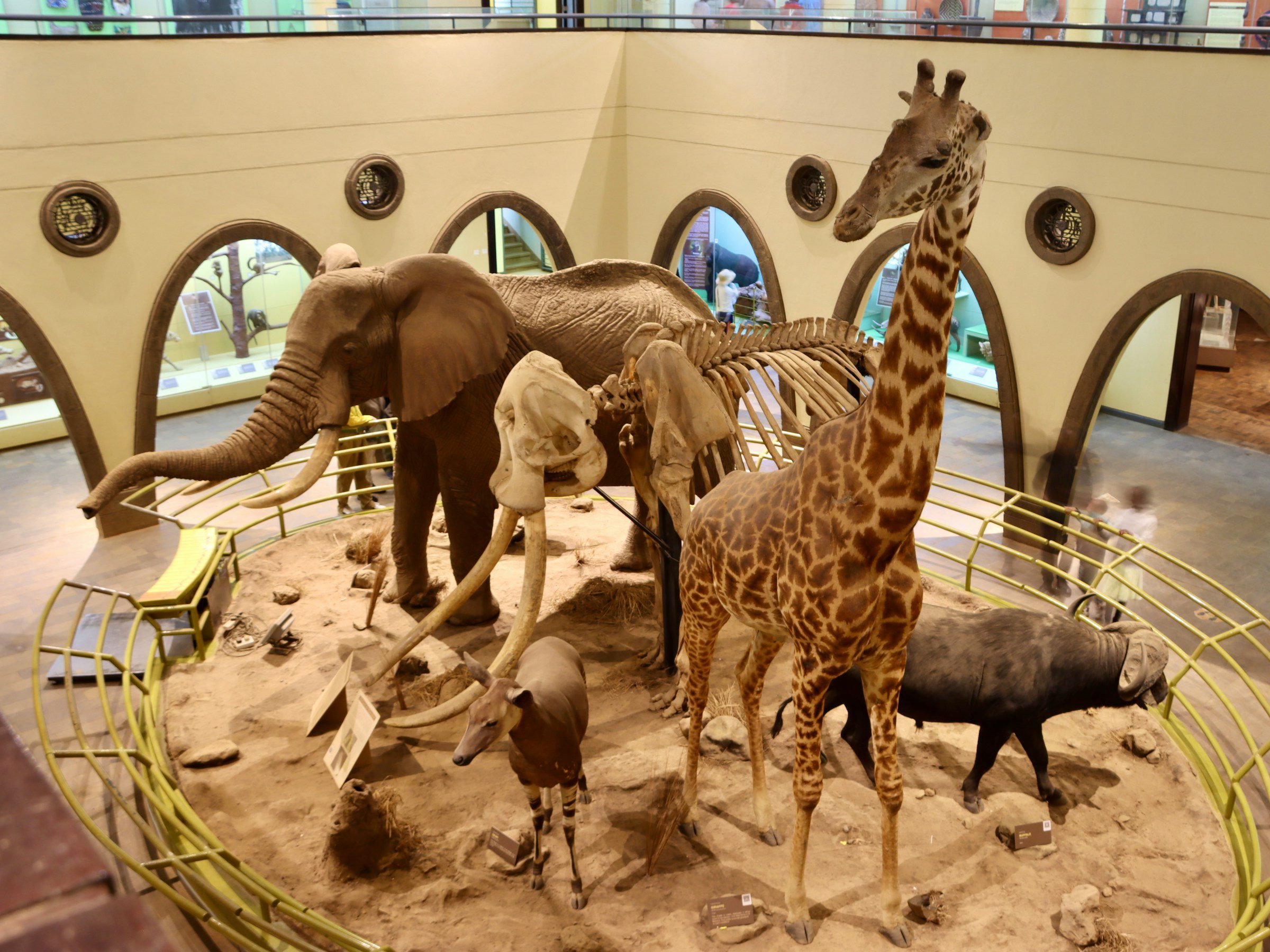
- Nairobi National Park & Museum: Ornithological paradise, bird gallery, and botanic garden walks.
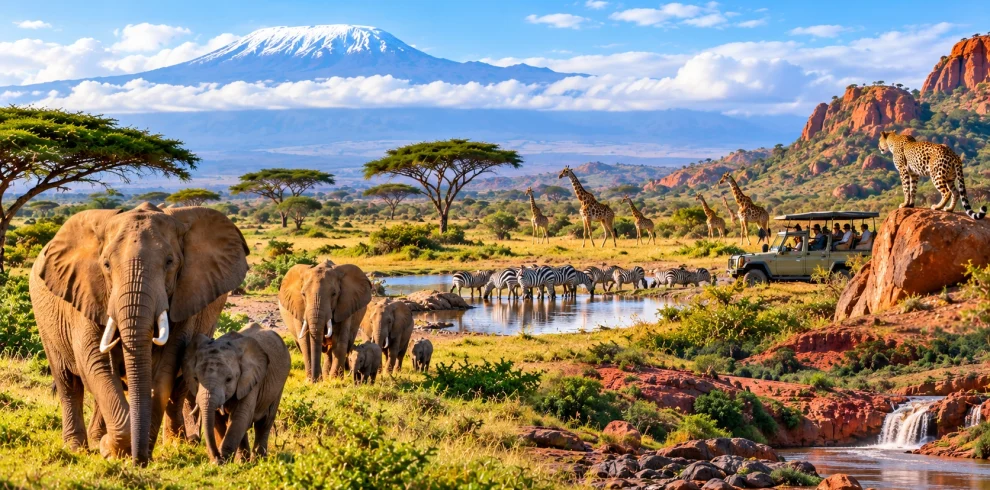
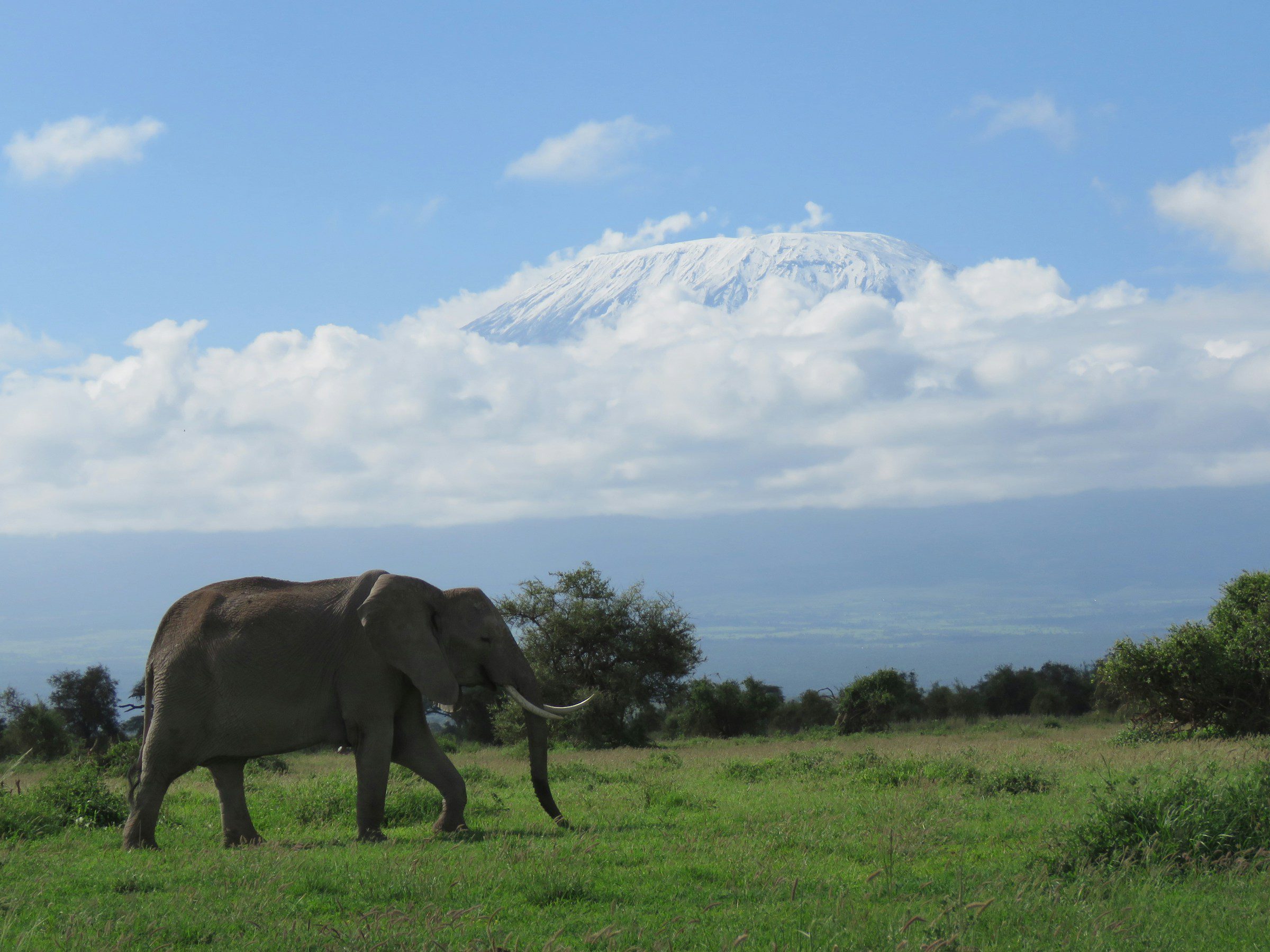
- Amboseli National Park: Elephant herds, Kilimanjaro backdrop, birding in swamps and woodlands.
- Tsavo East & West: Vast wilderness, elephants, lions, rhinos, Mzima Springs with hippos and crocodiles.
- Taita Hills: Endemic bird species, montane forests, scenic landscapes.
- Arabuko Sokoke Forest: Rare forest birds like Clarke’s weaver and Sokoke scops owl.
- Mida Creek & Sabaki River Mouth: Coastal birding hotspots with flamingos, waders, and migratory species.
- Kibwezi Forest & Chyulu Hills: Forest birding, butterflies, and volcanic landscapes.
- Nairobi City Excursions: Bird walks, cultural visits, and museum experiences.
Itinerary
On arrival at the Jomo Kenyatta Airport (morning flight), met by our representative and later transferred to Nairobi Safari Club Hotel where you will check-in and later we proceed to Nairobi National Park, an ornithological paradise starter within the city environs. Afternoon guided visit to National Museum Bird Gallery, Followed by a short bird walk at Nairobi National Museum Botanic Garden. Here we anticipate to see species like the Variable Sunbird, Bronze Sunbird and the Collard Sunbird, African Goshawk, Palm swift, Baglafetch Weaver, among others. Lunch, Dinner and Overnight stay will be at Nairobi Safari Club Hotel or similar one. (BLD)
After an early morning breakfast, proceed with your safari by road to Amboseli National Park. The park and surrounding game reserve cover 1260 sq miles and is mostly arid woodland with a series of swamps and lakes that provides a year round water supply for wildlife. The snowcapped peak of Kilimanjaro rising above a saucer of clouds, dominates every aspect of Amboseli and forms a backdrop to an impressive display of wildlife with its population of lion, huge hard of elephant, buffalo e.t.c. With a game drive en-route you’ll arrive to your lodge for lunch. Ol-Tukai Lodge is camouflaged in a forest of fever trees and palms and well designed cottage style accommodation spreads out on either side of the main lodge. Afternoon game drive, dinner & overnight at Ol-Tukai Lodge (BLD).
After breakfast it will be the perfect time for photographing the humbling and magnificent Mt. Kilimanjaro the highest peak in Africa. With picnic lunch you depart your lodge for a full day birding section with our eagle eyed birding guide. Please take this opportunity to add a new species in your birding list. Dinner and overnight tonight will be served at Ol-Tukai Lodge (BLD).
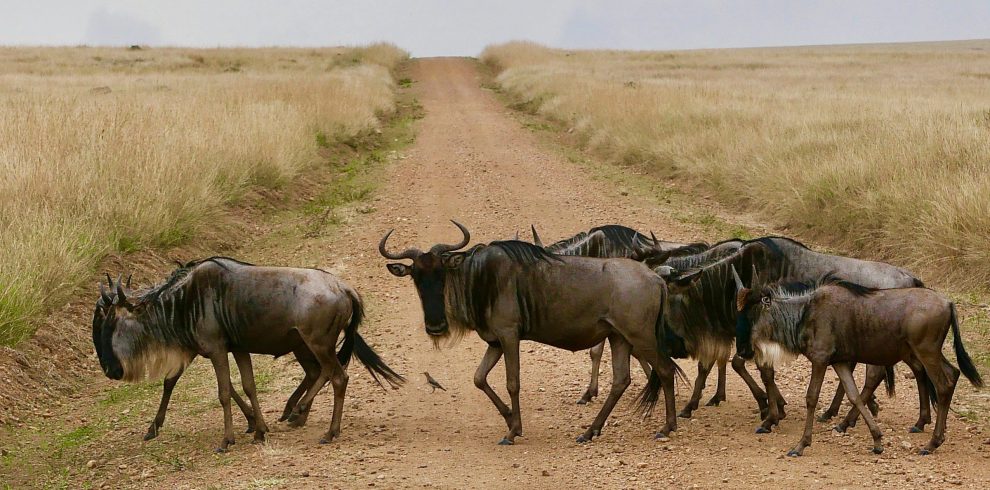
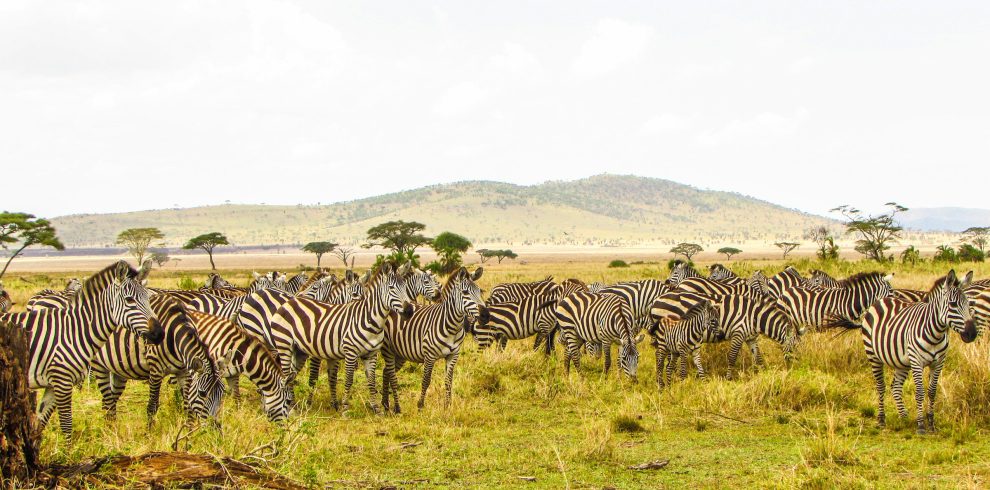
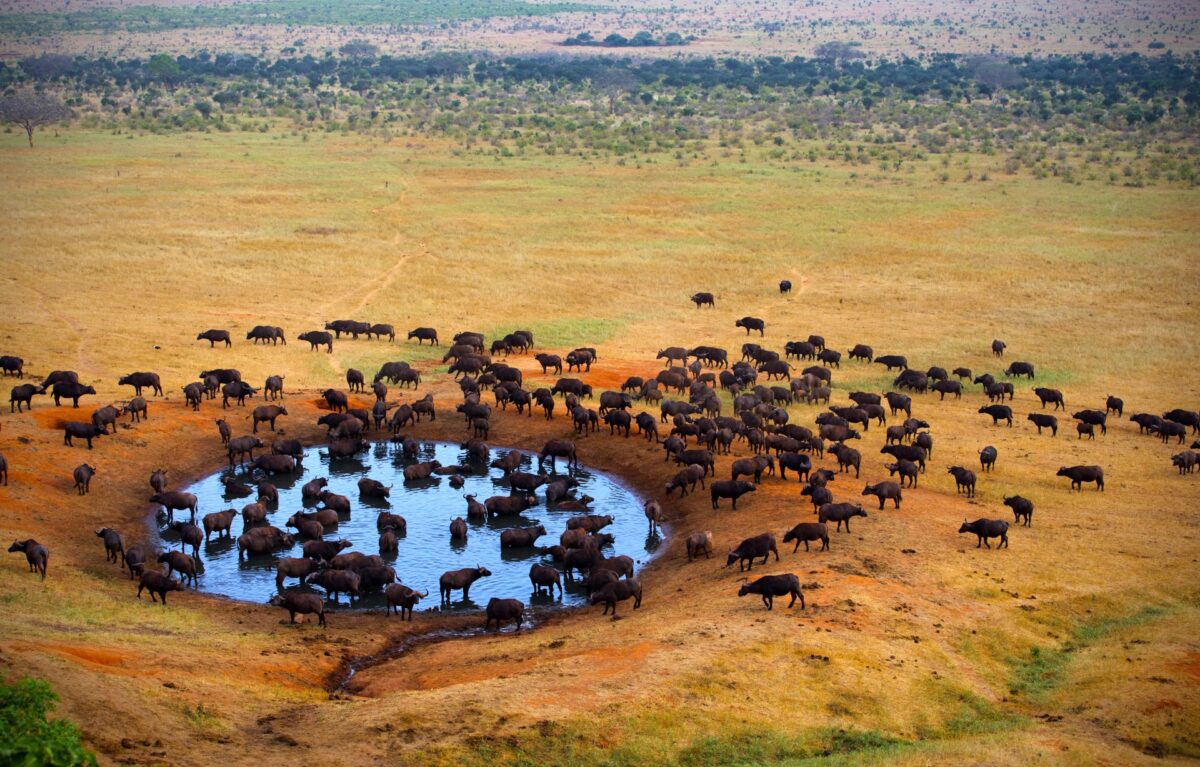
After early morning breakfast, commence your safari by road with our driver/guide through the North Great Road to the legendary land of man-eaters – Tsavo National Park. A diverse and vast park which is one of the largest game sanctuaries in the World when we combine Tsavo west and Tsavo East covering an area of more than 20,000 sq km. This wilderness supports a large number of games including elephants, rhino, lion, huge herd of buffalo etc. Enjoy your lunch at Kilanguni Lodge, which is magnificently set at the heart of the park with views of the Chyulu Hills and the snowcapped Mt. Kilimanjaro. Each room has a private verandah overlooking the waterhole and Mt. Kilimanjaro. Dinner & overnight at Kilanguni Serena Lodge (BLD).
After an early morning breakfast, we proceed with our safari by road to Taita Hills Forest. Taita Hills Forest has an area of 400 ha, at an Altitude of between 1350-2228m. It lies south -eastern Kenya south and west of Voi town, and rising abruptly above the semi-arid plain of Tsavo west National Park. Taita Hill share some botanical affinities are located 120 km distant. Geologically, the hills are the northern most outpost of the ancient Eastern mountains of Tanzania and Malawi. Dry bushland runs up the flanks of the hills, giving away rather abruptly near the top to small holder cultivation or remnant patches of moist forest. Special Species that we focus here will include the Taita Falcon, Taita Thrush, Zosterops silvanus, Bar throated Apalis. All meals, dinner & overnight at our lodge.
After an early morning breakfast, proceed with our safari to Arabuko-sokoke forest. Has an area of 41,600 ha at an altitude of 0-21m above the sea level. It was proclaimed a crown forest in 1932 and gazetted 1943 covering an area of 2,700 ha added in 1968. Arabuko-sokoke has three types habitats namely; Mixed forest 7,000 ha, Brachystegia woodland 7,700 ha on white, very infertile soil and Cynometra forest 11,300 ha with a canopy height of 7-8 m. Here we target species likes Sokoke scopes owl, Clarke’s Weaver, Amani sunbird, Ant-eater thrush, Eastern Nicator, Mombasa woodpecker among other globally threaten species that only occurs in this forest. All meals, dinner and overnight will be served at TURTLE BAY BEACH CLUB.
Following breakfast, the safari continues toward the coastal Arabuko Sokoke Forest. Covering 41,600 hectares at altitudes between 0–21 meters, this forest was proclaimed a crown forest in 1932, gazetted in 1943, and expanded in 1968. It features three distinct habitats: mixed forest (7,000 ha), Brachystegia woodland (7,700 ha on infertile white soil), and Cynometra forest (11,300 ha with a canopy height of 7–8 meters). Guests will be introduced to the forest’s ecological significance before settling in for dinner and overnight at Turtle Bay Beach Club.
This day is dedicated to birding within Arabuko Sokoke, one of Kenya’s most important birding destinations. Guided walks through its varied habitats will target rare and globally threatened species such as the Sokoke scops owl, Clarke’s weaver, Amani sunbird, ant‑eater thrush, Eastern nicator, and Mombasa woodpecker. The experience combines bird photography, species recording, and immersion in the forest’s unique environment. All meals, dinner, and overnight will again be served at Turtle Bay Beach Club.
After breakfast, it will be the perfect time for photographing the humbling and magnificent Mangrove forest (the magical trees) of Mida creek. Mida creek has an area of 26100 ha and stretches for almost 40 km along the seashores and it’s a fascinating world of cultures to discover, lying at 0-10 m above the sea level. Area comprises a complex of marine and tidal habitats on Kenya’s north coast, stretching from just south of Malindi town southwards to beyond the entrance of Mida creek. Habitats include inter-tidal rock, sand and mud, fringing reefs and coral gardens; beds of sea grass; coral cliffs, platforms and islets; sandbeaches; and mangrove forests. The sand dunes are great workout to build leg muscles and the tiny sand granules are fantastic as they massage every nerve of your foot – it’s natural reflexology. Our species of focus will include among others the Crab plover, Terek sandpiper, Mangrove kingfisher, Greater Sandplover, Eurasian Oystercatcher among others. All meals, dinner and overnight will be served at TURTLE BAY BEACH CLUB.
After breakfast we drive further north to Sabaki river mouth. It Comprise the sandbanks, mudbanks, dunes and fresh water pools and marshes at the mouth of the Sabaki, Kenya’s second longest river 5km north of Malindi town. The state and size of the estuary vary seasonally depending on river flows. Just north and south of the river mouth are grassy dunes that conceal permanent or temporary pools of fresh water. Here we anticipate species like the Sooty gull, Zanzibar red bishop, Greater snipe, Malindi pipit, Broad billed sandpiper, Whimbrel among other Coastal species. All meals, dinner and overnight will be served at TURTLE BAY BEACH CLUB.
Today after an early breakfast, Our safari will be destined for Tsavo East National Park with Vast savanna, it lies low in semi-arid country at the Eastern edge of the inland plateau, north of the main Mombasa – Nairobi road and railway much of the park is level, open country, with scattered rock outcrops. Birdlife is abundant and beautiful, with some 400 species to be seen, 48species of wildlife and several reptile species are found in the park, including, crocodiles, common in the Athi and Tsavo rivers, whose rocky confluence lies just north of Voi town. Our accommodation will be at TSAVO PARK HOTEL located just five kilometres from the gate to park, has 16 spacious and comfortable rooms with a total of 38 beds. Each room has a private balcony with a pretty flower border, a shower room with the usual facilities and telephone, besides you will have a pleasant stay, comfortable and relaxed at TSAVO PARK HOTEL. All meals and overnight will be served at TSAVO PARK HOTEL.
After breakfast, enjoy a morning game drive before proceeding to Kibwezi forest.
After an early morning breakfast, we leave for Chyulu hills forest situated 190km south -east of Nairobi and 30km south west of Kibwezi are relatively recent volcanic origin and the range is composed of ash cones and craters. This hills hold no permanent surface water, but rainfall percolating through the porous rock feed many permanent fresh water source in the surrounding plains, notably Mzima springs and the Tsavo and Galana rivers. Hills are relatively undisturbed and shelter indigenous vegetation and wildlife. All meals dinner and overnight will be served at HUNTER’S LODGE.
After our early morning breakfast we bid fare well to Hunter’s lodge and leave for Nairobi arriving in time for lunch at Nairobi restaurant where you can enjoy some good Italian food. Later early in the evening, a complimentary dinner will be hosted by our company at the world famous CARNIVORE RESTAURANT considered “Africa’s greatest eating experience” (if you love barbecue it doesn’t get better than this), thereafter you will be transferred to the airport in time for your International departure flight.
Includes/Excludes
Cost Includes
- Complimentary transfer to / from Airport on arrival and departure date
- Park entrance fee where applicable
- Service of an English/French/German speaking driver guide
- Transport based on a 4×4 Landcruiser Jeep with pop up roof for game viewing
- Guaranteed window seat for everyone
- Our Safari vehicles carry enough drinking water for all.
- Accommodation and all meals while on safari as per the itinerary
- Game drives as per the Itinerary
- Government taxes
Cost Excludes
- Gratitudes/Tips
- Passport Visa
- International Flights
- Things of personal nature: bottled drinks, telephone, laundry
- Anything not stated in the itinerary
Frequently Asked Questions
- Accommodation in lodges, tented camps, and beach resorts (Amboseli, Tsavo East & West, Taita Hills, Arabuko Sokoke, Turtle Bay Beach Club, Kibwezi, Chyulu Hills, Nairobi).
- Daily meals (Breakfast, Lunch, Dinner).
- Transport in a 4×4 Landcruiser Jeep with pop‑up roof.
- Professional English‑speaking driver/guide.
- Park entry fees and unlimited game drives.
- Bottled drinking water during safari.
- Airport/hotel transfers in Nairobi.
- International flights and visas.
- Travel insurance.
- Tips and gratuities.
- Optional activities (balloon safari, cultural village visits, night game drives).
- Amboseli National Park: Elephant herds, diverse birdlife, Kilimanjaro backdrop.
- Tsavo East & West National Park: Lions, elephants, rhinos, hippos, crocodiles at Mzima Springs.
- Taita Hills: Endemic bird species in montane forests.
- Arabuko Sokoke Forest: Rare birds like Sokoke scops owl, Clarke’s weaver, Amani sunbird.
- Mida Creek & Sabaki River Mouth: Flamingos, waders, migratory coastal birds.
- Kibwezi Forest & Chyulu Hills: Forest birding, butterflies, volcanic landscapes.
- Nairobi National Park & Museum: Big game, bird gallery, cultural exhibits.
- Daily game drives in Amboseli, Tsavo, and Chyulu Hills.
- Guided bird walks in Nairobi, Arabuko Sokoke, Kibwezi, and Taita Hills.
- Boat excursions at Mida Creek for coastal birding.
- Photography opportunities with Kilimanjaro, savannah plains, and forest habitats.
- Cultural visits to local communities near birding sites.
- Species recording with professional birding guides.
- June–October: Dry season, excellent wildlife viewing.
- July–October: Wildebeest migration in Maasai Mara (if combined).
- November–March: Bird watching season, lush landscapes.
- Nairobi → Amboseli: ~4 hrs
- Amboseli → Tsavo East/West: ~3–4 hrs
- Tsavo → Taita Hills: ~2 hrs
- Taita Hills → Arabuko Sokoke (via coast): ~5 hrs
- Arabuko Sokoke → Mida Creek/Sabaki: ~1 hr
- Coastal → Kibwezi/Chyulu Hills: ~5–6 hrs
- Chyulu Hills → Nairobi: ~4 hrs
- Comfortable safari clothing (neutral colors).
- Warm jacket for highland nights.
- Hat, sunglasses, sunscreen.
- Sturdy walking shoes.
- Camera/binoculars.
- Personal medication.
Yes. It is designed for birding enthusiasts with professional guides, but also balances wildlife game drives and cultural experiences, making it suitable for families. Lodges and camps offer family‑friendly accommodation.